
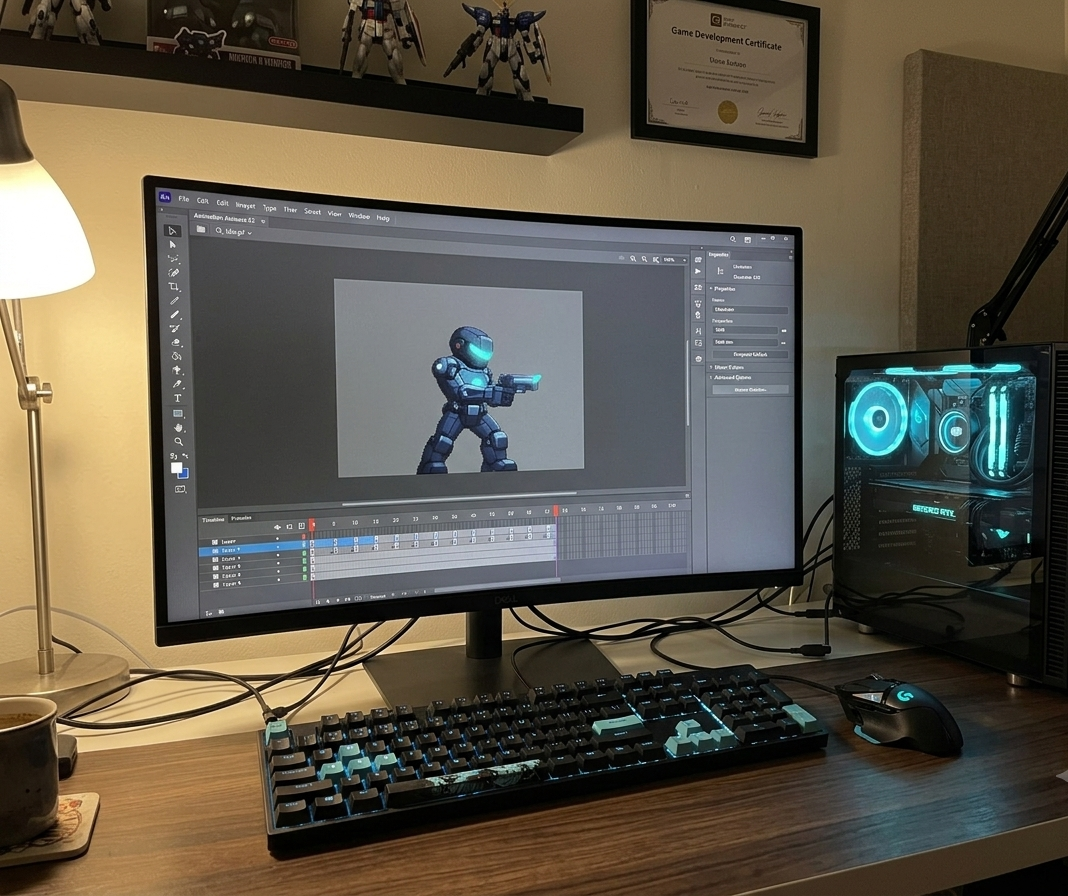
Game dev workflows sometimes feel like mad science, and honestly… that’s part of the fun.
It all started with a single static image. I generated a concept image with ChatGPT, then jumped into GIMP to clean things up: white background, a bit of breathing room on the sides and top, nothing fancy—just prep work so the next steps wouldn’t fight me later.
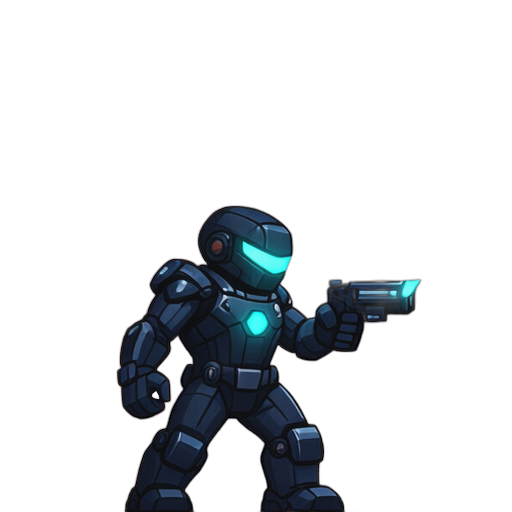
Next stop: KlingAI.
I fed that static image into KlingAI and let it do its magic, generating short videos that brought the character to life. Once the results looked good, I downloaded the videos and moved on to the “toolchain phase” (aka controlled chaos).
Back to ChatGPT I went—this time not for art, but for scripts.
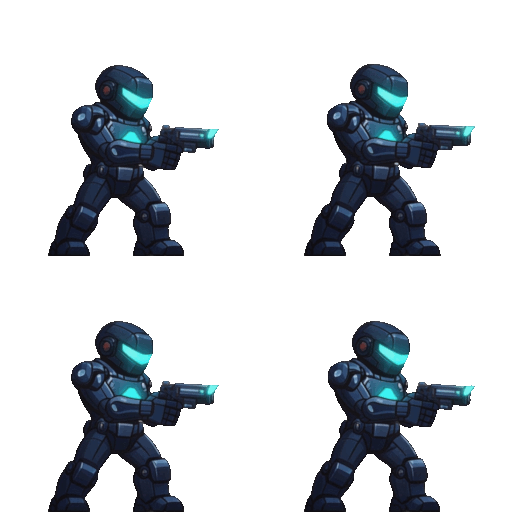
I generated a small ffmpeg script to extract frames from the videos, turning motion into a nice stack of images. Then came background removal: another script, this time using rembg, to strip away everything except the character. Batch processing for the win.
With clean PNGs in hand, it was back to GIMP again. Just minimal edits here: fixing tiny artifacts, nudging positions, maybe correcting a frame or two. Nothing heavy—just enough polish to make things feel right.
Finally, the satisfying part: exporting GIFs.
A few clicks later, I had smooth, looping animations of my game’s main character—perfect for previews, devlogs, or just admiring progress after a long session.
 | 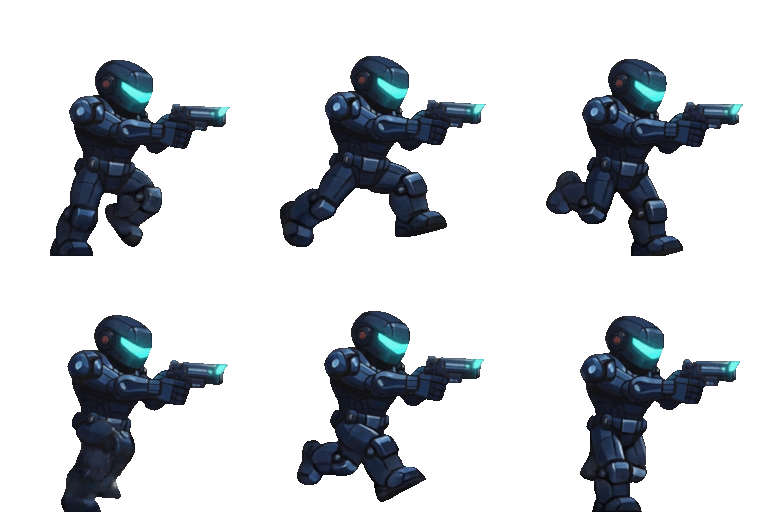 |
One image → AI video → frames → clean sprites → animated GIFs.
A slightly ridiculous pipeline? Absolutely.
A fun and surprisingly effective one? Also yes 😄
Back to building the game — now with cooler animations. 🎮✨
